Pogacar on top for the fifth time, two Frenchmen in the top 5, a finale over the cobbles of Montmartre.
What happened between Barcelona and Paris
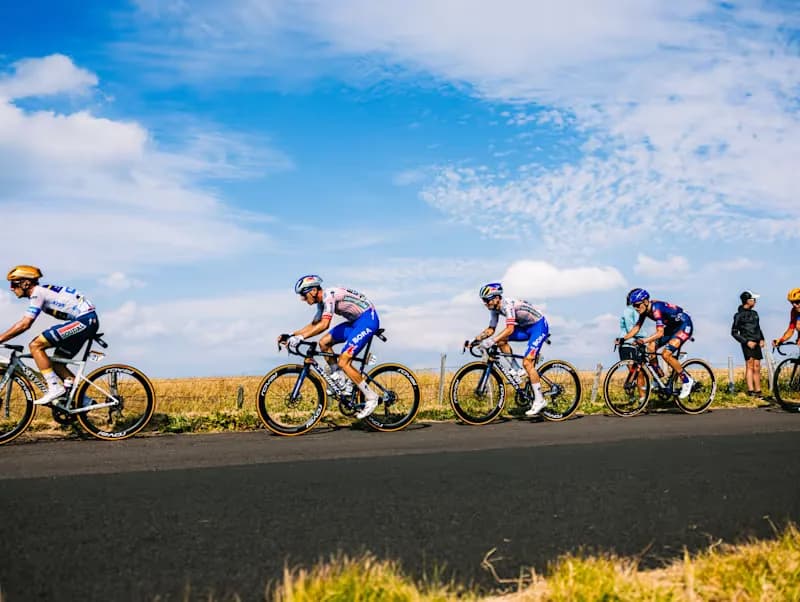
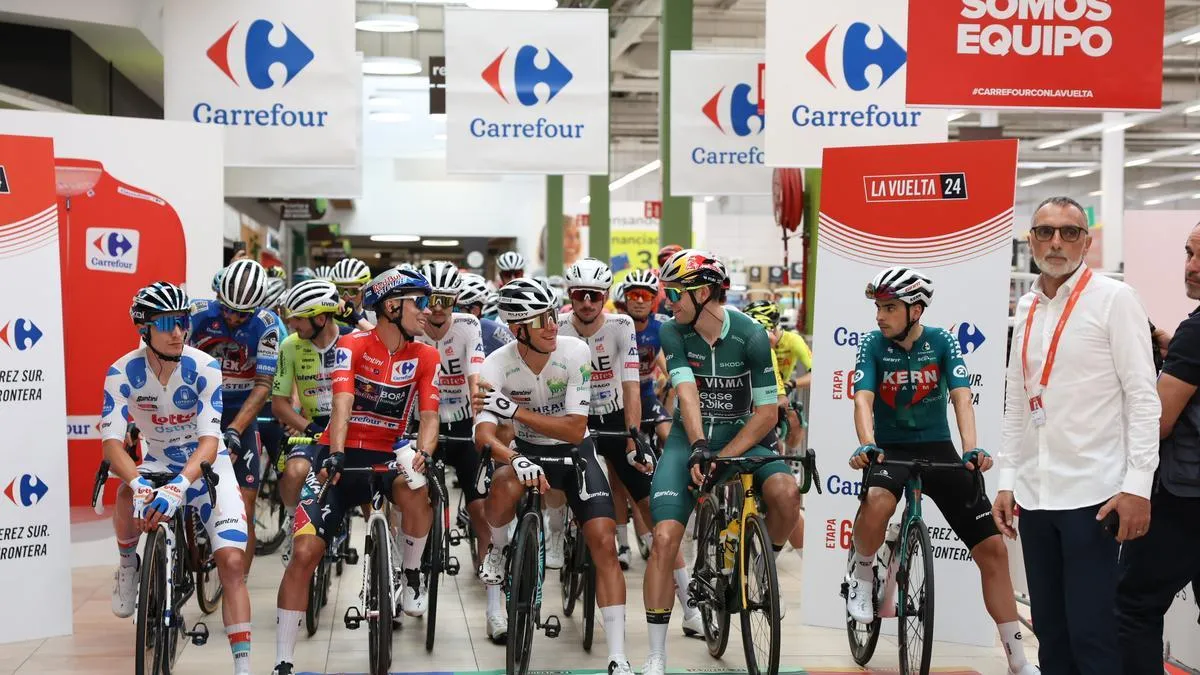
On July 4, the peloton rolled out of Montjuic, in Barcelona. Twenty-one days and a little over 3,300 kilometers later, it closed the loop on the cobblestones of Montmartre, on Sunday July 26, an unprecedented finale inherited from the popular success of the 2025 Paris ending. In between, the route showed no mercy: five summit finishes, including two passes over Alpe d'Huez, and the return of the team time trial for the first time since 2019, in a Paris-Nice style format where every rider gets an individual finish time.
At the end of those three weeks, one name again: Tadej Pogacar, crowned for the fifth time. He joins a club that had only ever counted four names: Anquetil, Merckx, Hinault, Indurain. Behind him, Remco Evenepoel confirms his consistency and takes second place, built on a solid time trial in stage 16. Isaac Del Toro completes the podium, his first at a Grand Tour. And the real French highlight of the edition: Paul Seixas, 19 years old, fourth overall and winner of the white jersey for best young rider, followed by Lenny Martinez, fifth after an aggressive Tour. Two Frenchmen in the top 5 of a Tour de France: that had not happened in a long time. Mathieu van der Poel provided the closing flourish, winning stage 21 in Paris.
The other side of the epic
We could stop there: a great Tour, a rising generation, a storyline that holds until Montmartre. But a Tour de France, seen from Ravito, is never just twenty-one days of racing. It is a mirror of where road cycling stands, tensions included.
The dominance keeps raising questions. Pogacar writing his name in capital letters for the fifth time is a feat that commands respect, but it is also, every summer, the same question resurfacing in the specialist press: how can one rider dominate by such a margin, on every kind of terrain, year after year, without ever showing a crack? He has never tested positive and denies any chemical assistance. The debate is nothing new (road cycling still carries the weight of its past), but it mostly shows how closely the sport remains watched, rightly so, and how fragile public trust stays whenever the gap gets this wide.
Money is widening the gap too. UAE Team Emirates does not just field the best rider in the peloton: the team dominates the UCI team rankings by a margin that at times exceeds the combined total of the third-placed team. That budget imbalance keeps feeding, season after season, discussions at the UCI around a possible salary cap, without any firm decision yet. A sport where the sporting outcome increasingly tracks the payroll inevitably raises questions about how much suspense is actually left.
The calendar, meanwhile, leaves no one room to breathe. Riders themselves are saying it louder and louder: the season no longer has a real off period, everyone is already "at full gas" by December just to keep up with the pace set by UCI rankings and sponsors. Pogacar stringing together Strade Bianche, Milan-Sanremo, the Tour of Flanders, Roubaix, Liege, Romandie and the Tour in a single season is no longer the exception, it has become the norm for the top riders. You can admire the versatility while also worrying, at the same time, about what this pace demands of the body.
And the spectacle itself is changing shape. TV audiences for road cycling are eroding in several countries, while the sport leans more and more on tighter formats, urban finales designed for the camera (Montmartre being the clearest example), and a handful of star riders to carry media interest. That is not necessarily a bad thing, but it changes what we are watching, and why.
What still makes you want to get back on the bike
Alongside all that, there is a genuine bright spot: the emergence of Seixas and Martinez in the top 5 confirms that a generation capable of shaking up the established order is here. And women's cycling keeps gaining visibility and level year after year, a welcome contrast to the same debates that keep coming back on the men's side.
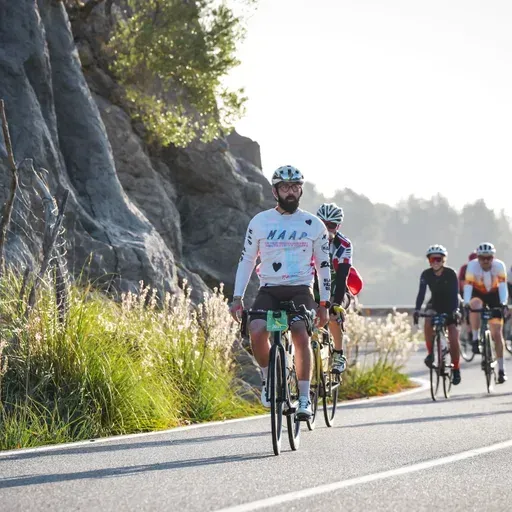
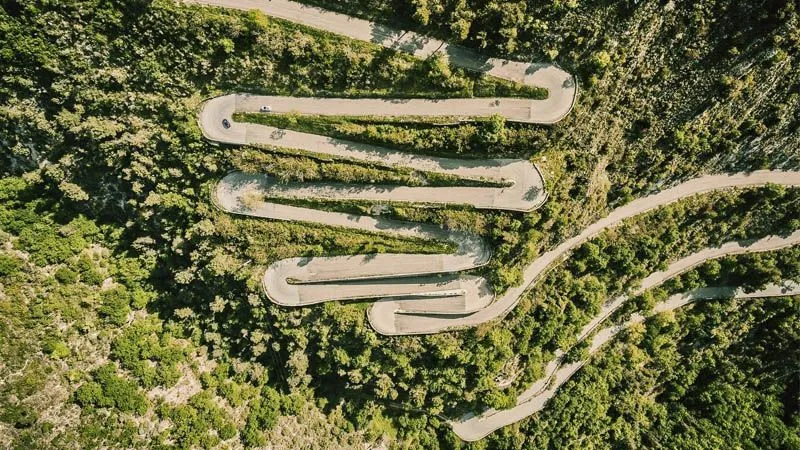
At Ravito, this Tour mostly reminds us why we prefer, most of the time, to look at cycling from ground level: the roads, the climbs, the villages the race passes through, rather than the general classification. The Tour hands us stages, names, a storyline. It is up to us to go check on the ground what is left of it once the caravan has moved on: on Alpe d'Huez, on the cobbles of the north, or on any road that will never make it onto TV.
Ravito note: if one of the Tour's climbs gave you itchy legs, most of the ascents mentioned here, Alpe d'Huez included, are mapped on Ravito, along with the best spots for a coffee or a room at the top.