Something happened to cycling somewhere around 2018. The pelotons on the coast roads didn't disappear, the climbers didn't abandon their mountain passes, but a new kind of rider started appearing on the lanes between the vineyards and the wheat fields — riding bikes that looked like road bikes but wider, slower, heavier, more capable. Riding roads that didn't appear on any race map. Taking longer than necessary to get anywhere. Looking, by most accounts, like they were having a better time than everyone else.
Gravel cycling went from niche American experiment to the fastest-growing segment in European cycling in under a decade. The question worth asking is not whether the trend is real — the bike industry's sales figures settled that argument years ago — but why it happened, and why it shows no signs of reversing.
The road was getting crowded
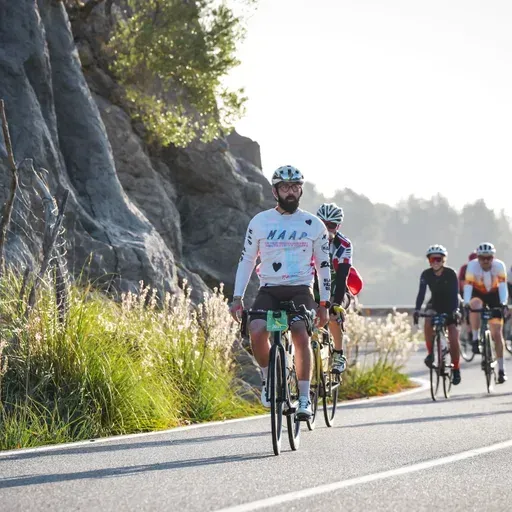
Part of the answer is simply geographic. The classic routes of European cycling — the Tramuntana, the Côte d'Azur, the cols above Girona — are genuinely excellent and genuinely congested. On a summer Saturday morning on the road to Cap de Formentor, you are sharing tarmac with tour buses, rental cars driven by people still adjusting to the steering wheel on the wrong side, and two hundred other cyclists who had the same idea you did.
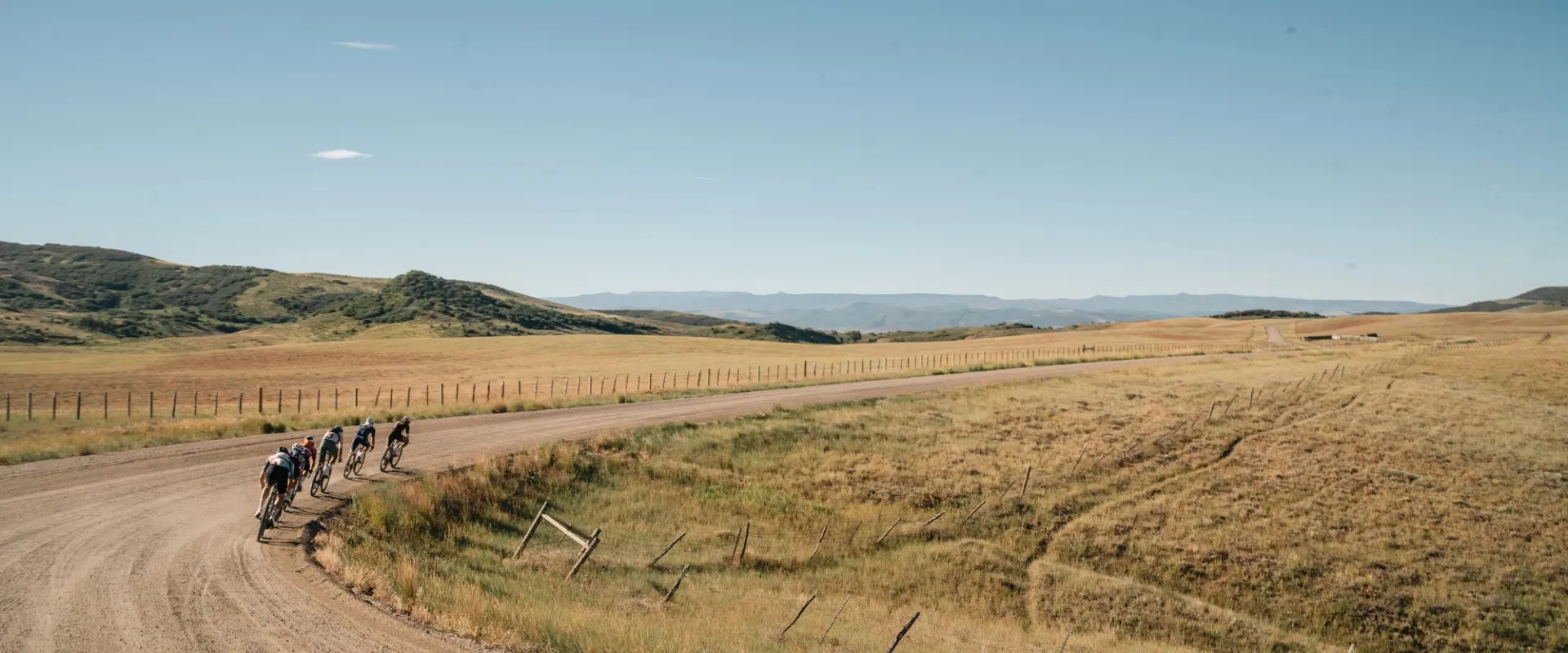
The gravel tracks through the interior of Mallorca, five kilometres from the same road, are empty. They have always been empty. The farmers who built the stone-walled lanes between their carob orchards did not anticipate cyclists, but they created something that cyclists need: space, quiet, and the specific pleasure of going somewhere that feels genuinely unexplored even if it isn't.
Gravel didn't create a new desire in cyclists. It gave a familiar desire — the desire for empty roads — a new address.
The equipment finally caught up with the ambition
For a long time, the bikes available to cyclists were sorted into categories with clear jurisdictions. Road bikes for tarmac. Mountain bikes for trails. Touring bikes for long distances. Each category had its specialists, its magazines, its culture, and its price points. The categories were also, if you were honest about it, slightly arbitrary.
The gravel bike dissolved the category. Wide enough tyres to absorb the loose stone lane. Light enough to be fast on tarmac. Stable enough geometry to carry a frame bag through a mountain pass without death wobble. A bike that didn't ask you to choose in advance what kind of riding you were going to do.
The timing of this mattered. The bike industry had been searching for the next thing after the road cycling boom of the early 2010s — the Lance Armstrong era and its aftermath had brought enormous numbers of riders to the sport, and those riders, having mastered their local climbs, were looking for something new to try. The gravel bike arrived as a permission slip: you can go further, on different roads, without buying a different bike.
The race model stopped being the only model
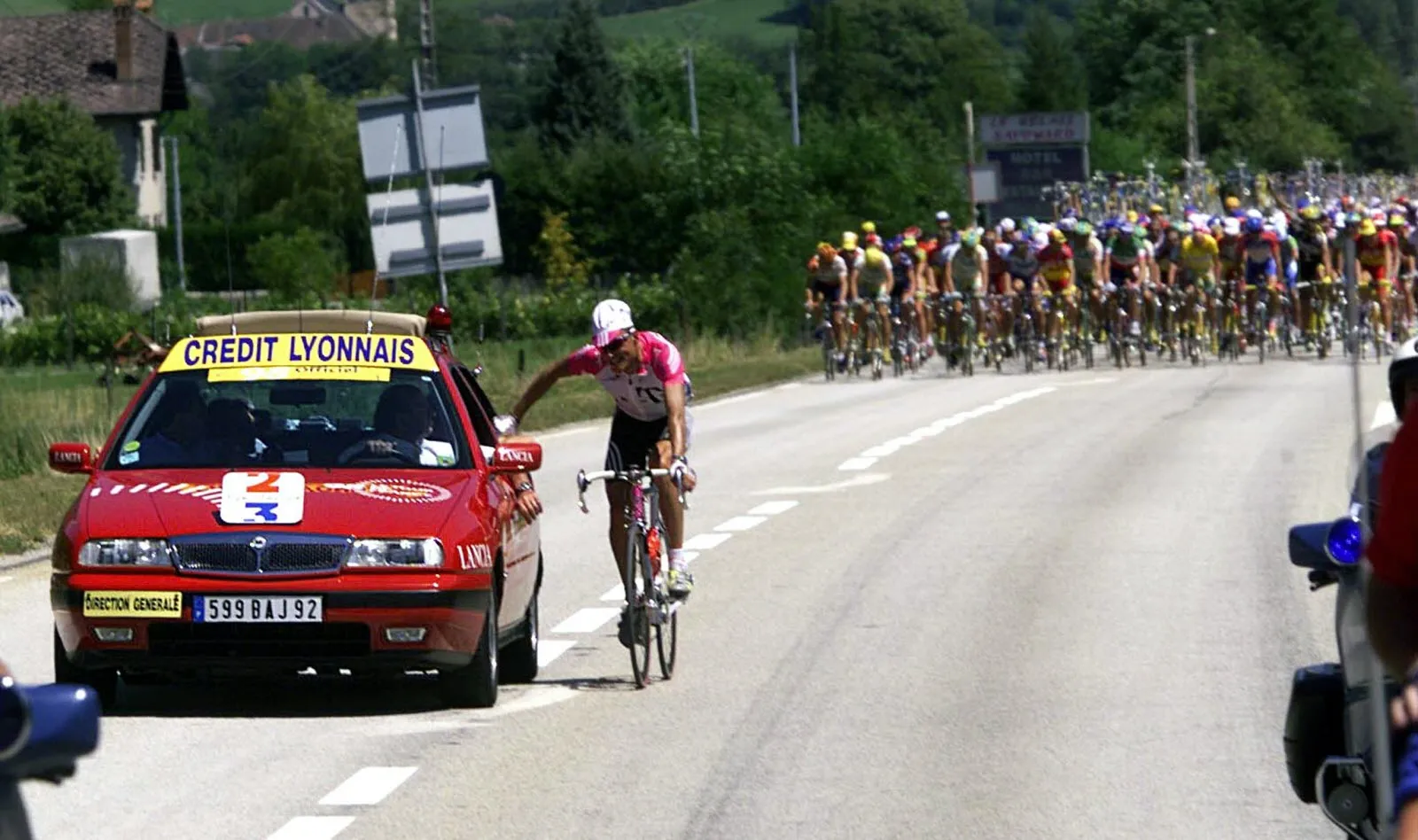
For most of modern cycling's history, the sport's cultural reference points were professional. What the Tour de France riders wore, what bikes they rode, what routes they trained on — these things filtered down into amateur culture with a lag of a few years but with considerable fidelity. Cycling's aspiration was to look, in some attenuated way, like a professional.
Gravel broke that template. The reference event for gravel is not the Tour but Unbound Gravel — 322 kilometres across the Kansas Flint Hills, no team cars, no peloton tactics, no sprint finishes. Or the Dirty Kanza, or the Gravel Worlds, or any number of events that have no professional equivalent and make no attempt to create one. The riders who win these events are usually not household names. What they share is the ability to suffer alone, navigate competently, and keep pedalling when the logical response would be to stop.
This is a different kind of aspiration. Not the aspiration to be fast — the aspiration to be capable. The gravel rider's self-image is not the domestique in a supporting role but the explorer in an uncharted one. The fact that the terrain has usually been ridden before is beside the point. What matters is that it feels like discovery.
Instagram made the aesthetics visible
The visual grammar of gravel is exceptional and this is not an accident. A road cyclist in full kit on a clean tarmac road is a fine image. A gravel rider, slightly muddy, on a track between stone walls with mountains behind and soft morning light filtering through the pine trees, is something considerably more compelling. The backgrounds that gravel provides — the agricultural interior, the forest paths, the unmarked passes — photograph better than tarmac.
When Instagram became the medium through which cycling culture was transmitted, gravel had a structural advantage. Its natural habitat is photogenic. The moments it creates — the hike-a-bike section, the descent into an unknown valley, the arrival at a farm café that nobody knows about — are stories in a way that a clean climb with a timing chip at the top is not.
The aesthetics attracted people who hadn't previously considered themselves cyclists. The aesthetics, and the discovery that a gravel bike is considerably more forgiving and interesting to ride than a race-oriented road bike, kept them.
The café stop became central, not incidental
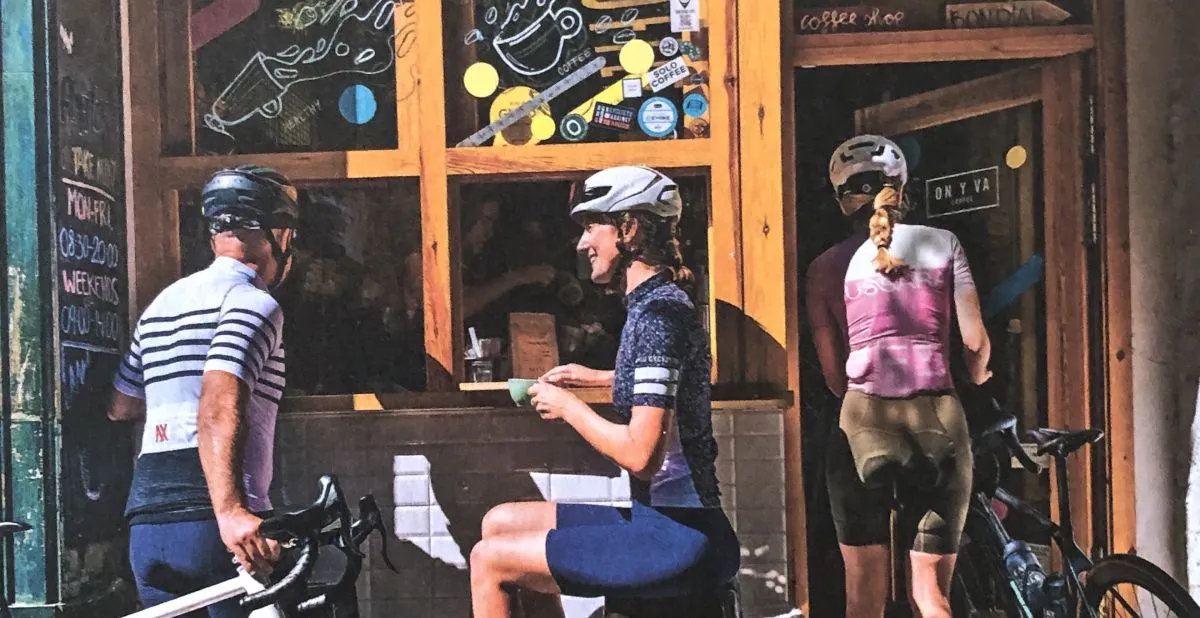
Road cycling has always had a café culture — the espresso at the bottom of the col, the boulangerie at the mid-point of a long ride, the ritual of arriving somewhere warm and sitting down before the return. But on a road ride, the café is a pause in the riding. On a gravel ride, it is frequently the stated objective.
The routes are longer. The surfaces demand more attention. The absence of a defined peloton to keep up with removes the social pressure to minimise stops. A gravel ride through the Mallorca interior that finds a working farmhouse bar in a village whose name you couldn't pronounce is not a failed gravel ride. It is precisely the point.
This reconfiguration — riding as a means of access to experience rather than as performance measured against a clock — is the cultural shift that gravel represents. It brought in riders who had never been interested in racing and never would be. It brought back riders who had been interested in racing and had stopped. It created a version of cycling that was, for many people, simply more enjoyable.
What the numbers say
The European market for gravel bikes grew by over 40% between 2020 and 2023. Every major manufacturer now has a gravel range. Shimano and SRAM both built gravel-specific groupsets from scratch. The largest cycling events in Europe by participant numbers are increasingly gravel events, not road races.
More significantly, the demographic of gravel riders skews older and more affluent than road cycling. The typical gravel rider is in their mid-thirties to mid-forties, professionally established, willing to spend on equipment and travel, and looking for an experience that road cycling was no longer providing. This is not the junior coming up through a cycling club. This is the person who ran marathons in their twenties, did triathlons in their early thirties, and discovered gravel when someone in their riding group sent a link to a route in the Garraf natural park outside Barcelona that ended at a café they'd never heard of.
That person is now planning a trip to Girona. Or Mallorca. Or the Tuscan strade bianche. They are looking for places to stay that understand bikes. They are looking for cafés where showing up in kit is normal. They are looking, in other words, for exactly what Ravito exists to help them find.
Why it's not going away
Trends in sport tend to reverse when the underlying conditions that created them change. Gravel's underlying conditions are structural. The roads are still crowded. The exploration instinct is not going anywhere. The equipment has matured to the point where the bikes are simply excellent. The community has grown large enough to sustain its own events, its own media, its own vocabulary.
What gravel did was give a certain kind of cyclist — curious, experience-oriented, prepared to trade speed for novelty — a format that suited them. Those riders exist in enormous numbers. They were always there. They just didn't have the right bike.
They do now. And they're riding roads that most people don't know exist, stopping at places that don't appear on any recommendation algorithm, finishing with mud on their frames and opinions about which café stop was worth the detour.
That's not a trend. That's just a good way to spend a day.
Looking for the right gravel stop for your next ride? The Ravito map covers the best cycling-certified cafés, restaurants, and hotels across Mallorca, the Costa Blanca, and the French Riviera — explore here.