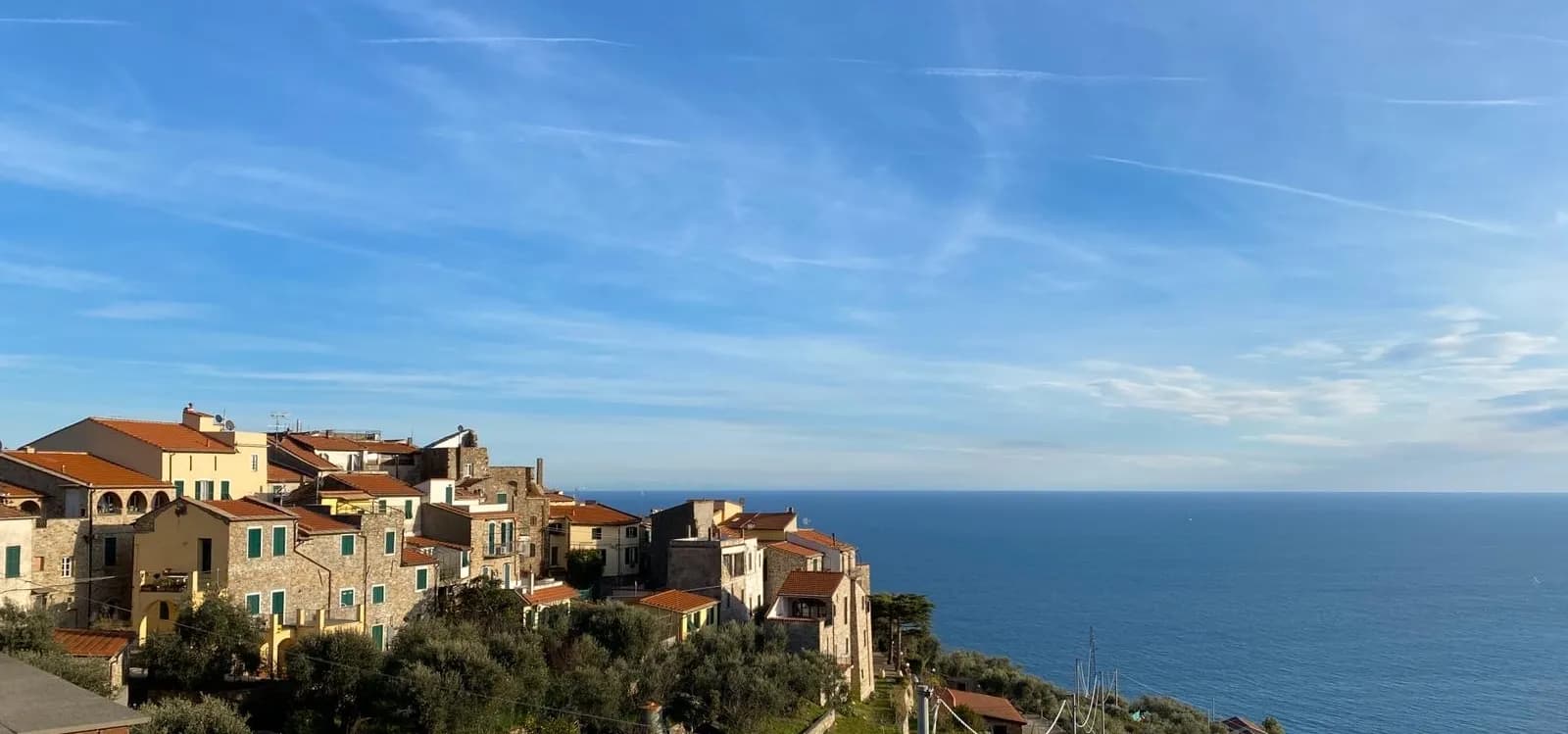
Cipressa is a small hill town above the Ligurian coast, and since 1982 its name has belonged to one of cycling's five Monuments. Race organiser Vincenzo Torriani added the climb to Milano–Sanremo that year, judging the race needed one more obstacle before the finish.
The Cipressa itself is modest by mountain standards — 5.6 kilometres at just over 4% — but arriving after 280 kilometres of racing, it has decided the Classicissima more than once.
Gianni Bugno attacked here in 1990 to distance the favourites; Marco Pantani tried the same in 1999, fresh off his Giro–Tour double, only to be caught on the descent. In 2026, Tadej Pogačar climbed it in the fastest time on record, roughly 8 minutes 48 seconds, after recovering from a crash just kilometres before the base.
Most years, though, the Cipressa merely sets up the harder, more decisive Poggio di Sanremo ten kilometres later. For riders visiting outside race week, it remains a modest, pine-scented climb with sea views back over the Ligurian coast — gentle enough to ride at a conversational pace, historic enough that almost nobody does.
