Riemst occupies Belgium's southeastern tip in Limburg, wedged between Maastricht and Tongeren in a landscape known as the Mergelland — marl country, its low, rolling hills and pale quarried stone giving the region a texture unlike the flat farmland further north.
The Sint-Pietersberg, an artificial plateau shaped by decades of marl extraction, anchors a cross-border mountain bike network connecting Riemst directly to the Dutch trails of Zuid-Limburg — a rare stretch of Belgian cycling terrain built jointly with a neighbouring country, signed in both directions at once.
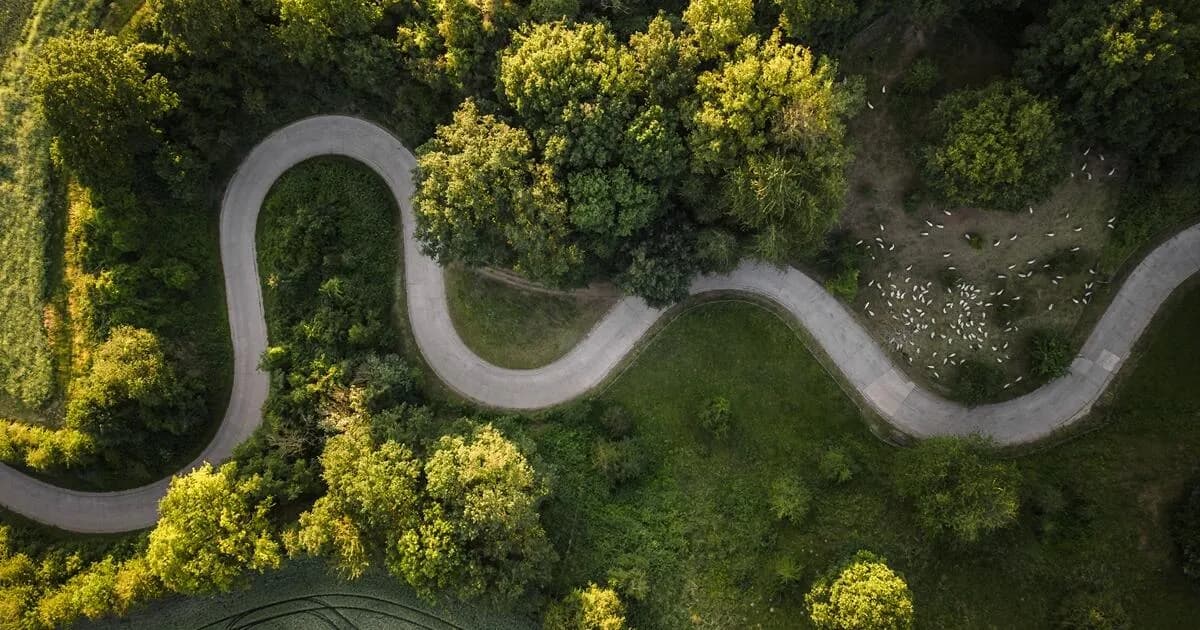
Riders looking for pavement rather than singletrack can follow the Albert Canal towpath past marl walls and the fortified village of Kanne, or climb the switchbacked Kanne hairpin road up onto the plateau — one of the few genuine gradient tests in a municipality otherwise defined by gentle, open vistas.
Riemst carries no race history of its own, but its position — hard against the Dutch border, threaded with vineyards, farmland, and quarried limestone cliffs — makes it a genuinely distinct stop for riders working through Belgian Limburg's fruit country further west toward Tongeren and Borgloon.