Èze is not a cycling destination. It's a cycling revelation. Most riders see it from the saddle at 15 kilometres per hour, head down on the switchbacks, already counting the metres to the Col de la Madone. The ones who stop — really stop, clip out and walk into the village — discover something that justifies the detour even if you never touch a pedal again.
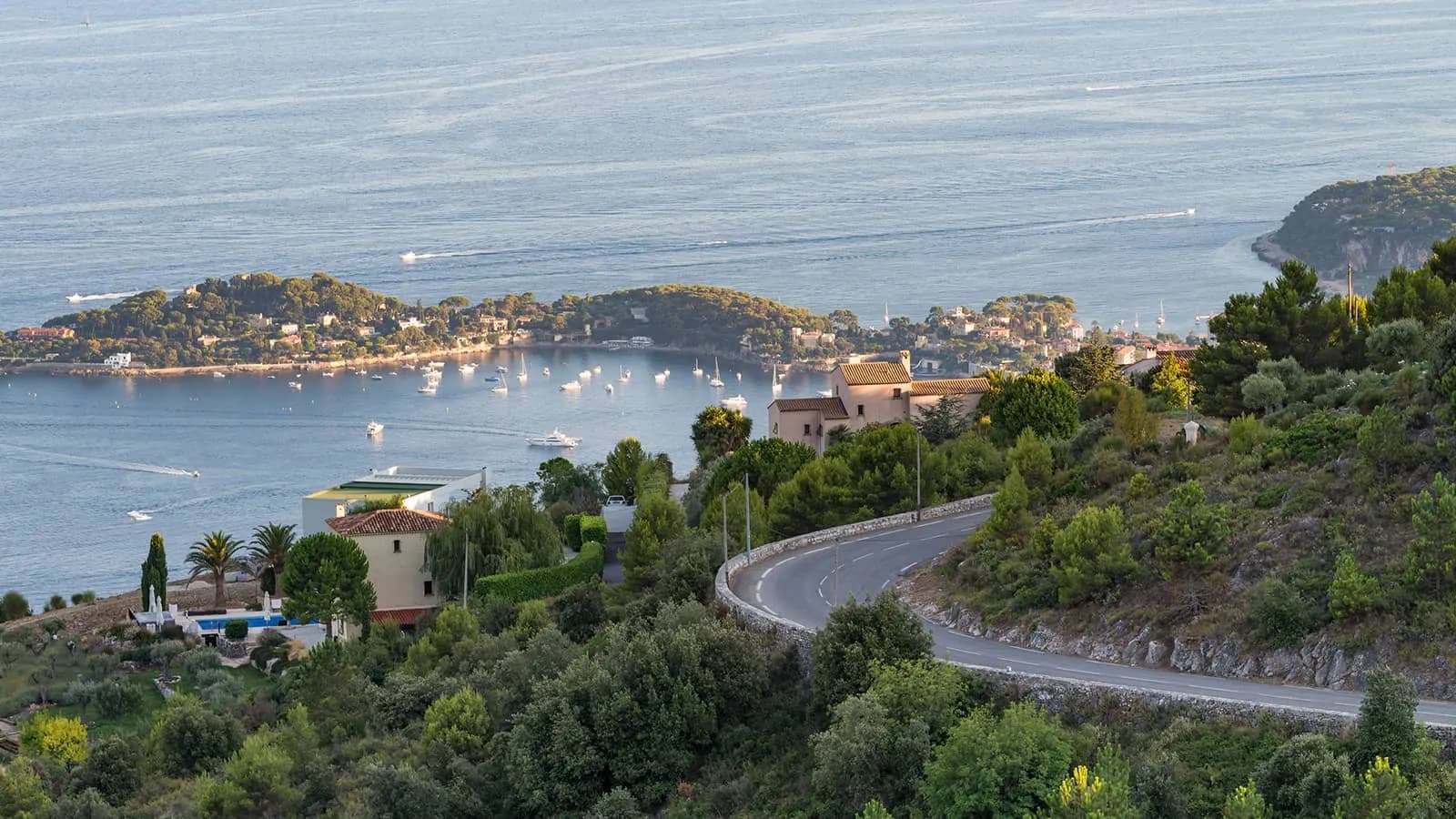
The village sits at 429 metres on a rocky spur above the Mediterranean, built in the Middle Ages by people who understood that height meant safety. What it means for cyclists is a natural checkpoint between the coast and the col — the last flat ground before the road tilts seriously upward, and the first view of the sea on the way back down.
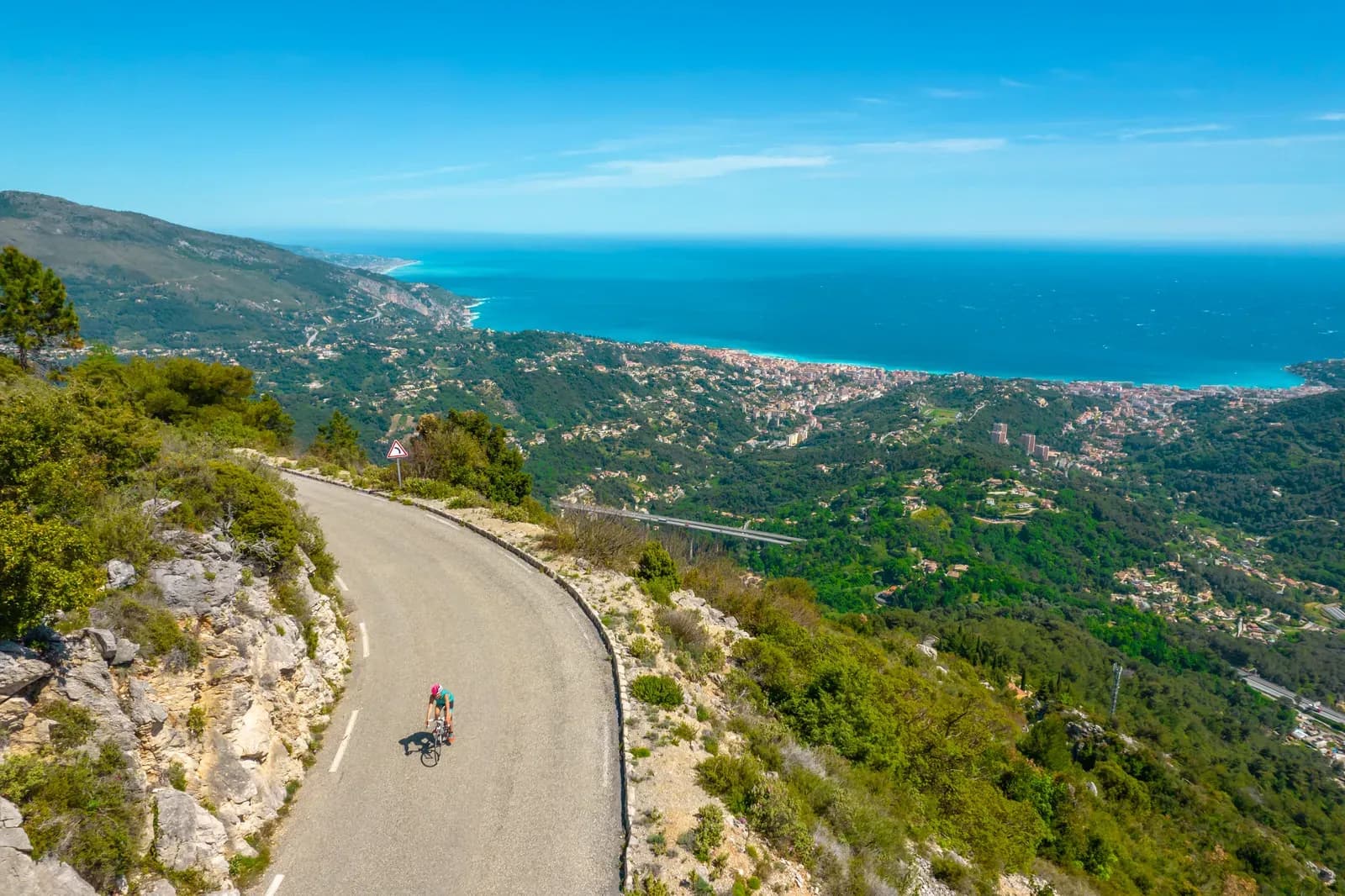
The Èze-Madone corridor is the reference climb of the French Riviera. From the Promenade des Anglais to the col at 927 metres, it's 18 kilometres with just under 900 metres of climbing. The pros have been using it as a benchmark for thirty years. The amateurs have been suffering on it for just as long. Èze is where the climb stops being manageable and starts being honest.
What you find here
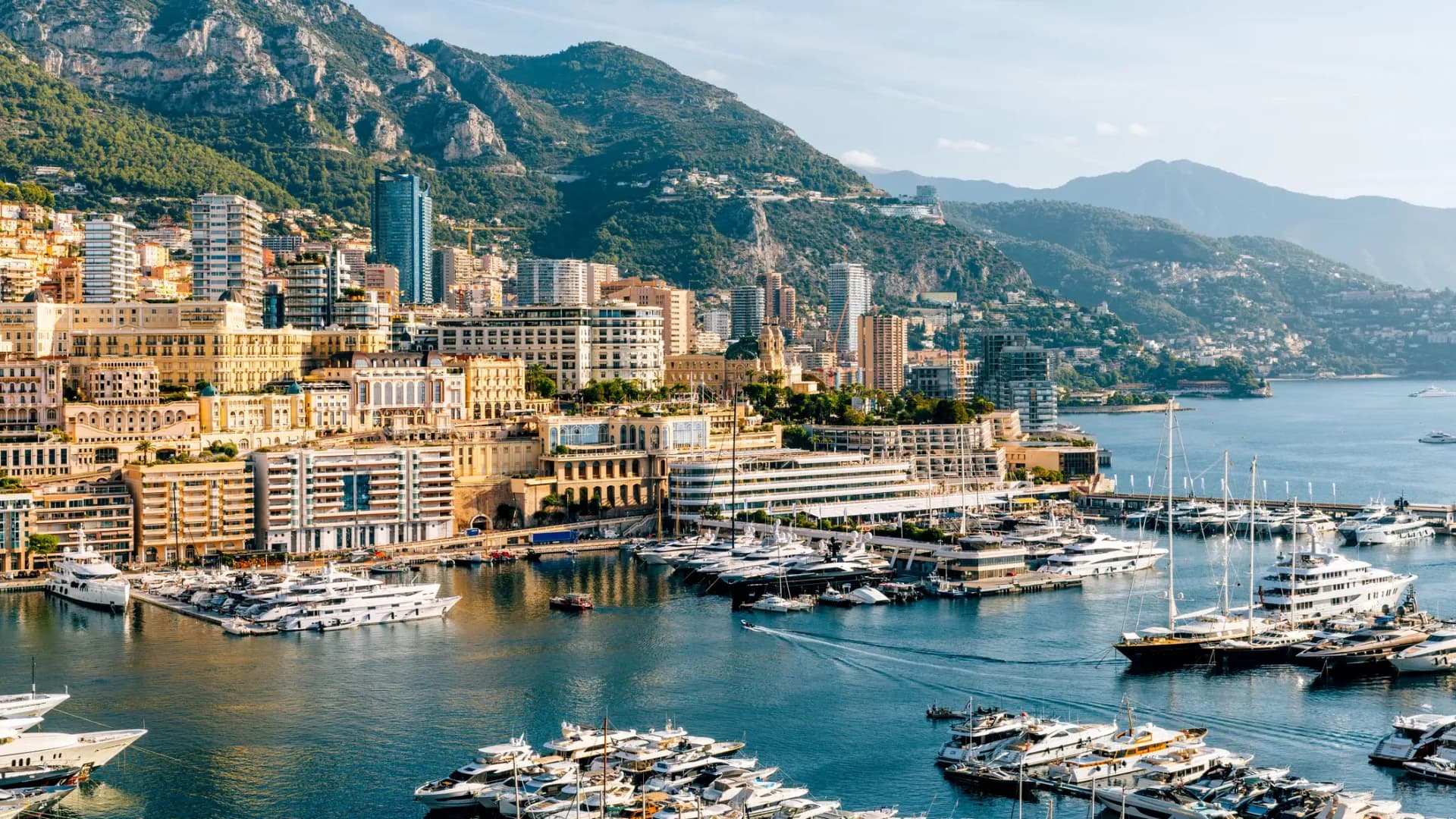
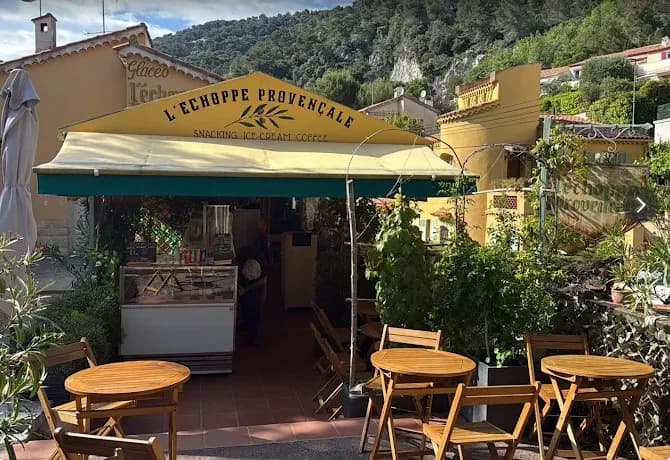
A medieval village that has barely changed in 600 years. A cactus garden at the summit of the rock. A handful of restaurants and hotels that understand they exist at the intersection of one of the world's great scenic routes and one of its great cycling climbs. The view from the top of the village is the Mediterranean spread out below you — on the right, Monaco and its harbour; on the left, Nice and the curve of the Baie des Anges; straight ahead, nothing but water and light.
When to come
Early morning in summer, when the village is empty and the road is quiet. Any morning in spring, when the mimosa is in bloom on the hillside and the light is exactly right. Not July at noon, when the tourist traffic on the Grande Corniche makes the descent genuinely complicated.
The climb takes between 45 minutes and an hour and a half depending on the legs you have that day. The view from the top costs nothing extra.